


Other recommendations for your business
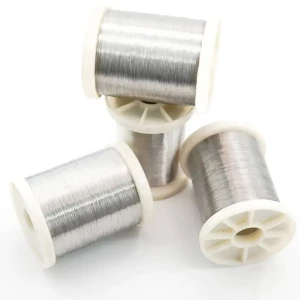
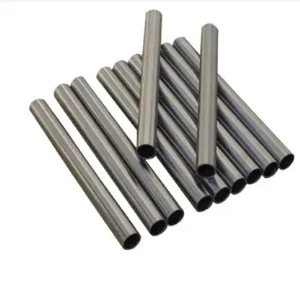
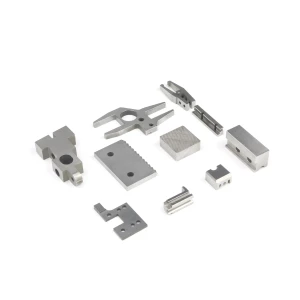
Molybdenum Metal Fasteners are high-performance refractory metal fastening components that play an irreplaceable role in extreme working conditions.
Core Characteristics of Molybdenum Fasteners
Molybdenum fasteners possess high strength and high hardness, maintaining stable connection performance under high temperature and pressure environments. Molybdenum's melting point is as high as 2620℃, allowing it to maintain structural integrity and mechanical properties even at high temperatures, far exceeding the heat resistance limits of ordinary metals.
Corrosion resistance is another important characteristic of molybdenum fasteners. Molybdenum has excellent chemical stability and corrosion resistance, maintaining stable performance in various harsh environments, effectively resisting the erosion of corrosive media, and extending equipment lifespan.
Good electrical and thermal conductivity makes molybdenum fasteners crucial in electronic equipment and thermal management systems. They can rapidly conduct heat at high temperatures, aiding in equipment heat dissipation and temperature control.
Main Grades and Specifications
Main molybdenum fasteners include grades such as Mo1, Mo2, MoLa (molybdenum-lanthanum alloy), and TZM. Mo1 and Mo2 are pure molybdenum grades with a molybdenum content ≥99.95%, while MoLa and TZM are alloy grades with higher recrystallization temperatures and stronger creep resistance.
A wide range of specifications are available, including standard sizes from M6 to M30×30 to 250mm, as well as custom sizes tailored to user needs. Surface finishes include blackening, alkaline cleaning, and polishing.
Production Technology
Molybdenum fasteners are produced using powder metallurgy, including molybdenum powder pressing, high-temperature hydrogen sintering, and high-power rapid forging. High-purity molybdenum fasteners require two sintering stages: pre-sintering and high-temperature sintering, resulting in high-purity products with carbon and oxygen contents both below 10ppm.
During machining, due to the hardness and brittleness of molybdenum, carbide cutting tools and specific machining parameters are required. For thread machining, patience is essential; the cutting tool must be carefully ground, and appropriate machining speeds and feed rates must be used to ensure a smooth thread finish.
Application Areas
Molybdenum fasteners are widely used in the aerospace industry for connecting critical components such as aircraft engines and exhaust systems. These components often face high temperatures and high-speed airflow, which ordinary materials cannot withstand.
In the power generation industry, molybdenum fasteners are used to secure components in high-temperature equipment such as turbines and boilers. Their excellent heat resistance and strength ensure stable operation of the equipment under extreme conditions.
In the chemical industry, equipment is frequently exposed to corrosive media. Molybdenum fasteners are widely used to fasten equipment and fittings in chemical processing plants due to their excellent corrosion resistance.
In the electronics and semiconductor industry, molybdenum fasteners are used to secure heat sinks and other components requiring good thermal conductivity. Their good electrical and thermal conductivity help improve the heat dissipation efficiency of the equipment.
High-temperature furnaces and vacuum systems are another important application area for molybdenum fasteners. In equipment such as vacuum furnaces and sintering furnaces, molybdenum fasteners are indispensable. Their high heat resistance and sealing performance ensure the normal operation of the equipment.
Usage Precautions
Despite the many advantages of molybdenum fasteners, they also have some limitations. The most significant drawback is the higher cost, as molybdenum is a rare metal and more expensive than common materials. Therefore, a balance must be struck between the performance advantages and cost factors when using molybdenum fasteners.
When selecting and using molybdenum fasteners, attention should also be paid to some technical details to avoid common problems. For example, locking or seizing often occurs in fasteners made of stainless steel, aluminum alloy, and titanium alloy. To avoid this, it is recommended to confirm that the mechanical properties of the product meet the usage requirements before use and ensure that the threads are smooth and free of iron filings or contaminants.
Proper installation and maintenance are also crucial. Overtightening should be avoided during installation to prevent excessive stress that could lead to breakage; at the same time, regular inspection and lubrication of the threads can effectively extend the service life of the fasteners.
Molybdenum fasteners, with their unique high strength, corrosion resistance, high temperature resistance, and good electrical and thermal conductivity, play an irreplaceable role in many high-end industrial fields. With the advancement of technology and industrial development, molybdenum fasteners will demonstrate their enormous potential and value in even more fields.
Core Characteristics of Molybdenum Fasteners
Molybdenum fasteners possess high strength and high hardness, maintaining stable connection performance under high temperature and pressure environments. Molybdenum's melting point is as high as 2620℃, allowing it to maintain structural integrity and mechanical properties even at high temperatures, far exceeding the heat resistance limits of ordinary metals.
Corrosion resistance is another important characteristic of molybdenum fasteners. Molybdenum has excellent chemical stability and corrosion resistance, maintaining stable performance in various harsh environments, effectively resisting the erosion of corrosive media, and extending equipment lifespan.
Good electrical and thermal conductivity makes molybdenum fasteners crucial in electronic equipment and thermal management systems. They can rapidly conduct heat at high temperatures, aiding in equipment heat dissipation and temperature control.
Main Grades and Specifications
Main molybdenum fasteners include grades such as Mo1, Mo2, MoLa (molybdenum-lanthanum alloy), and TZM. Mo1 and Mo2 are pure molybdenum grades with a molybdenum content ≥99.95%, while MoLa and TZM are alloy grades with higher recrystallization temperatures and stronger creep resistance.
A wide range of specifications are available, including standard sizes from M6 to M30×30 to 250mm, as well as custom sizes tailored to user needs. Surface finishes include blackening, alkaline cleaning, and polishing.
Production Technology
Molybdenum fasteners are produced using powder metallurgy, including molybdenum powder pressing, high-temperature hydrogen sintering, and high-power rapid forging. High-purity molybdenum fasteners require two sintering stages: pre-sintering and high-temperature sintering, resulting in high-purity products with carbon and oxygen contents both below 10ppm.
During machining, due to the hardness and brittleness of molybdenum, carbide cutting tools and specific machining parameters are required. For thread machining, patience is essential; the cutting tool must be carefully ground, and appropriate machining speeds and feed rates must be used to ensure a smooth thread finish.
Application Areas
Molybdenum fasteners are widely used in the aerospace industry for connecting critical components such as aircraft engines and exhaust systems. These components often face high temperatures and high-speed airflow, which ordinary materials cannot withstand.
In the power generation industry, molybdenum fasteners are used to secure components in high-temperature equipment such as turbines and boilers. Their excellent heat resistance and strength ensure stable operation of the equipment under extreme conditions.
In the chemical industry, equipment is frequently exposed to corrosive media. Molybdenum fasteners are widely used to fasten equipment and fittings in chemical processing plants due to their excellent corrosion resistance.
In the electronics and semiconductor industry, molybdenum fasteners are used to secure heat sinks and other components requiring good thermal conductivity. Their good electrical and thermal conductivity help improve the heat dissipation efficiency of the equipment.
High-temperature furnaces and vacuum systems are another important application area for molybdenum fasteners. In equipment such as vacuum furnaces and sintering furnaces, molybdenum fasteners are indispensable. Their high heat resistance and sealing performance ensure the normal operation of the equipment.
Usage Precautions
Despite the many advantages of molybdenum fasteners, they also have some limitations. The most significant drawback is the higher cost, as molybdenum is a rare metal and more expensive than common materials. Therefore, a balance must be struck between the performance advantages and cost factors when using molybdenum fasteners.
When selecting and using molybdenum fasteners, attention should also be paid to some technical details to avoid common problems. For example, locking or seizing often occurs in fasteners made of stainless steel, aluminum alloy, and titanium alloy. To avoid this, it is recommended to confirm that the mechanical properties of the product meet the usage requirements before use and ensure that the threads are smooth and free of iron filings or contaminants.
Proper installation and maintenance are also crucial. Overtightening should be avoided during installation to prevent excessive stress that could lead to breakage; at the same time, regular inspection and lubrication of the threads can effectively extend the service life of the fasteners.
Molybdenum fasteners, with their unique high strength, corrosion resistance, high temperature resistance, and good electrical and thermal conductivity, play an irreplaceable role in many high-end industrial fields. With the advancement of technology and industrial development, molybdenum fasteners will demonstrate their enormous potential and value in even more fields.
Supplier's popular products
Contact Supplier
We have more categories for you. lf you can't find the products you want above,just fill in the form and tell us whatproducts you want to import from China.


